
Timber Cabin Foundations: Why the Base Matters Before the Build Starts
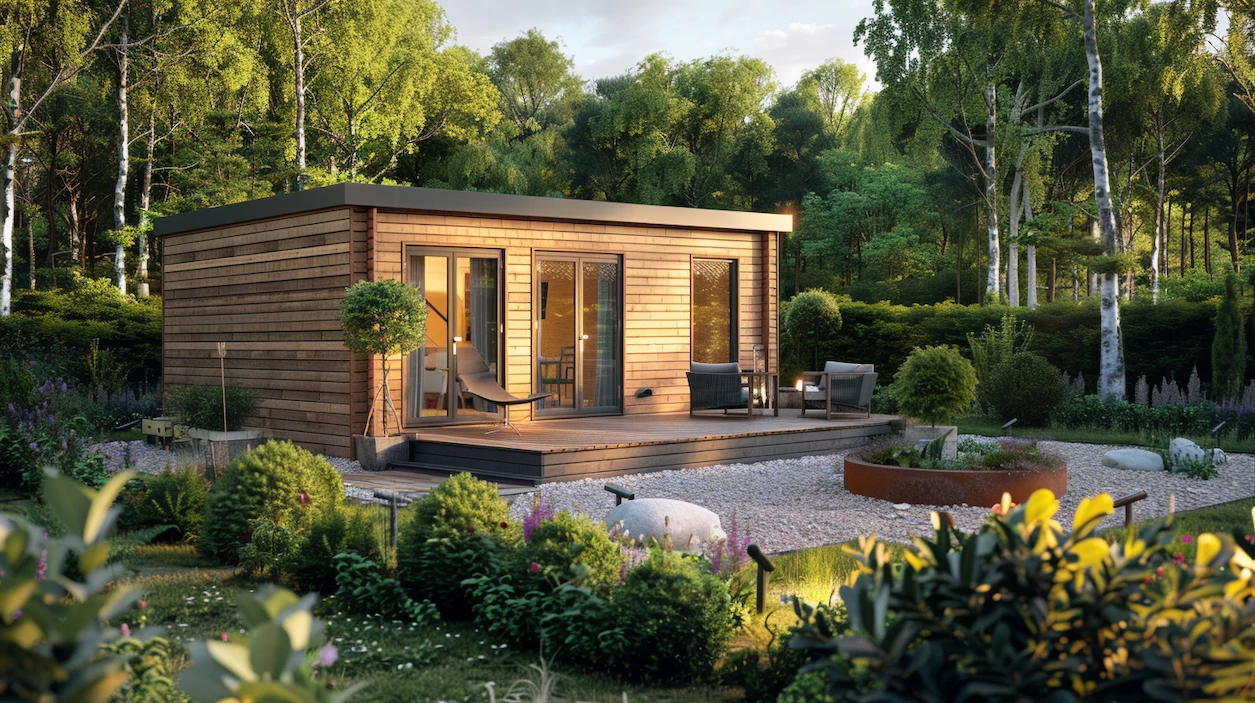
A timber cabin is only as good as the base it stands on.
The design, timber quality and insulation all matter, but the foundation is one of the most important parts of the project. A poor base can create problems with stability, alignment, doors, windows and long-term durability.
This is why site preparation should be discussed before the build starts, not after the cabin arrives.
1. Why the Base Is So Important
A timber cabin needs a stable and level surface.
The base supports the full structure, including the walls, roof, floor, furniture, utilities and daily use. If the base is uneven or unstable, the building may not sit correctly.
This can affect:
- wall alignment,
- floor level,
- door and window operation,
- roof structure,
- long-term stability,
- overall comfort inside the cabin.
A good base helps the timber cabin perform properly from the beginning.
2. Level Ground Makes Installation Easier
A level base helps the installation process run more smoothly.
When the foundation is properly prepared, the cabin can be assembled more accurately and efficiently. This reduces the risk of small alignment problems that may later affect the finish of the building.
Even a small difference in level can create visible issues when working with timber sections, windows and doors.
That is why preparing the ground correctly is not just a technical detail. It is part of the overall quality of the finished cabin.
3. The Base Helps Protect the Timber Structure
Timber buildings need to be kept properly supported and raised from unsuitable ground conditions.
A well-prepared base can help reduce direct contact with moisture and support better long-term performance.
This is especially important in garden settings where ground conditions can change with rain, drainage, soil movement and seasonal weather.
Good site preparation helps protect the structure and gives the cabin a stronger starting point.
4. Different Projects May Need Different Base Options
Not every timber cabin project is the same.
A small garden studio, a 1-bedroom cottage and a larger family timber cabin may all require different levels of preparation.
The right base can depend on:
- the size of the cabin,
- the weight of the structure,
- the garden surface,
- drainage,
- access,
- intended use,
- whether utilities are required,
- local site conditions.
This is why it is important to discuss the project properly before choosing the final base solution.
5. Think About Access Before Installation
The base is not the only site preparation detail.
Access to the garden or build area is also important.
Before the project starts, it is worth checking:
- how materials will reach the installation area,
- whether there is enough space for delivery,
- if paths, gates or fences create restrictions,
- where the cabin will sit in relation to the house,
- whether the area is clear and ready for work.
Good access can make the installation process easier and reduce delays.
6. Plan Utilities Together with the Base
If the cabin will include electrics, plumbing, heating, bathroom facilities or a kitchenette, these details should be considered before the base is finalised.
Utility routes can affect the best position for the cabin and the way the site is prepared.
For example, a cabin with a bathroom or kitchen area may need more planning than a simple garden office.
Thinking about these details early helps avoid unnecessary changes later.
7. A Good Base Supports Long-Term Comfort
The base may not be the most visible part of the finished cabin, but it affects how the building feels and performs.
A solid foundation helps the cabin feel stable, level and properly finished.
It also supports better long-term use, especially when the cabin is designed as a year-round space, guest annexe, home office or residential-style timber cabin.
For customers planning regular use, the base should be treated as part of the main specification, not as a small side detail.
Summary
A properly prepared base is essential for a successful timber cabin project.
It supports the structure, helps with installation, protects the timber and contributes to long-term stability and comfort. Before the build starts, it is important to think about the ground, access, drainage, utilities and the intended use of the cabin.
The better the preparation, the better the final result.
Planning a timber cabin project? Explore our timber cabin options or contact our team to discuss the best specification and preparation for your site.