
Can You Run a Business from a Garden Office in the UK?
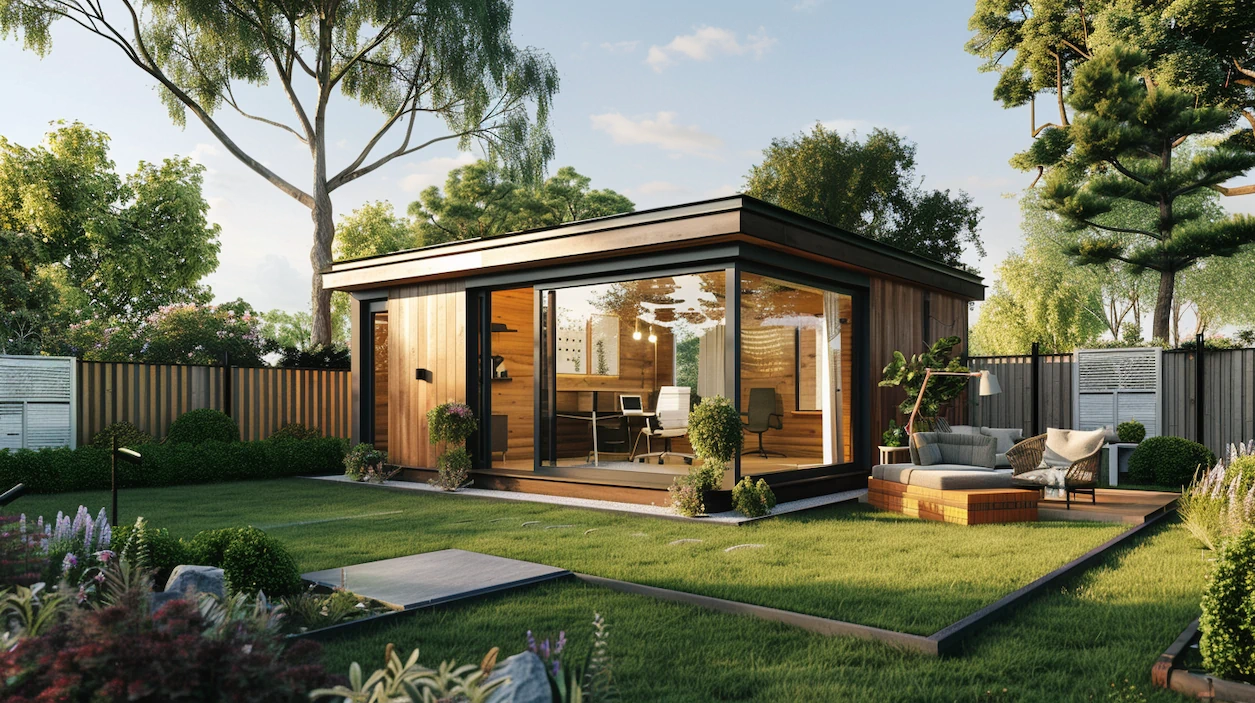
Can You Run a Business from a Garden Office?
For plenty of freelancers, consultants, designers, therapists and small studio owners, a garden office is the natural next step once the spare bedroom or kitchen table stops working. You get a proper door to close at the end of the day, space for clients or equipment, and a commute measured in seconds.
The short answer is that many people do run businesses from a garden cabin. The longer answer is that the way you use the building changes a few things you should check first. None of them is a reason not to do it, but all of them are cheaper to sort out before the cabin arrives than after.
Planning: Use Matters as Well as Size
Planning rules look at more than the footprint of the building. Many garden cabins can fall under permitted development, depending on size, height, position and intended use. A cabin used as ancillary space to your home, such as a home office, is treated differently from one used to receive a steady flow of visiting customers or to employ staff.
If you expect regular client visits, deliveries, noise or staff working there, it is sensible to speak to your local planning authority before you order. Our guides to planning permission for garden cabins in the UK and the building regulations question explain what the authorities look at, and our planning checklist gives you a list to work through. Every property is different, so check your individual circumstances rather than relying on a general rule.
Business Rates, Tax and Your Mortgage
Working from a building in the garden can raise a few financial questions:
- Business rates. Whether a garden office attracts business rates depends on how it is used and how much of it is dedicated to the business. A home office used by one person is often treated very differently from a space with staff and customers, but it is worth asking your local council or an accountant.
- Tax. Self-employed people can usually claim a proportion of running costs. A good accountant can explain what applies to you, including how any cabin purchase is treated.
- Mortgage and lease terms. Some mortgages and tenancy agreements restrict business use at the property. A quick check of the paperwork avoids an awkward conversation later.
If you are weighing up what the cabin will cost day to day, our breakdown of what it costs to run a garden office is a useful starting point.
Insurance: Home Cover Rarely Covers Everything
Standard home insurance often treats garden buildings as outbuildings, and business equipment or business use can fall outside the usual cover. Tell your insurer what the cabin will be used for, how much equipment will be inside, and whether clients will visit. You may need business contents cover or public liability cover on top.
This ties in with the building itself. A solid, well-fitted cabin with good locks and lighting is easier to insure and to feel comfortable in, and we cover the practical side in how to keep a garden cabin secure.
Make It Work as a Business Space
A garden office that supports a business needs a bit more than a desk and a heater.
- Reliable connectivity. Video calls and cloud tools depend on a stable connection, and the cabin is often a long way from the router. See how to get wifi to a garden office.
- Power and heating. A proper electrical supply and a heating plan keep the space usable through winter, as we explain in working from a garden office in winter.
- Sound. If you take calls or see clients, privacy matters. Our guide to soundproofing a garden office covers realistic options.
- Access and welcome. If clients visit, think about a clear path, outdoor lighting, a small seating area and, where relevant, a toilet. A step-free approach is easier to add at the design stage.
Choosing the Right Cabin for Business Use
Size is the first decision. A single desk and shelving can fit in a compact cabin, but a meeting table, a treatment couch or a small studio setup needs more room, and it is common for people to regret going smaller. Our article on choosing the right timber cabin size walks through how to measure what you actually need, and the ultimate garden home office shows how a well-planned layout can work.
Insulated timber cabins also keep the space comfortable all year, which matters when it is your workplace rather than an occasional retreat. You can browse the full range on our timber cabin collection.
Plan the Whole Project, Not Just the Building
As family-run timber cabin specialists since 1985, we help customers from the first idea through design, delivery, installation and final use. That includes thinking about how the cabin will be used on day one: where the power comes in, how the door and windows face the house, and what the layout needs to look like if the business grows.
If you are considering a garden office for your business, tell us what you do and who will use the space. Request a quote and we can suggest a size and layout that fits the way you work.