
How Do You Stop a Garden Cabin Overheating in Summer?
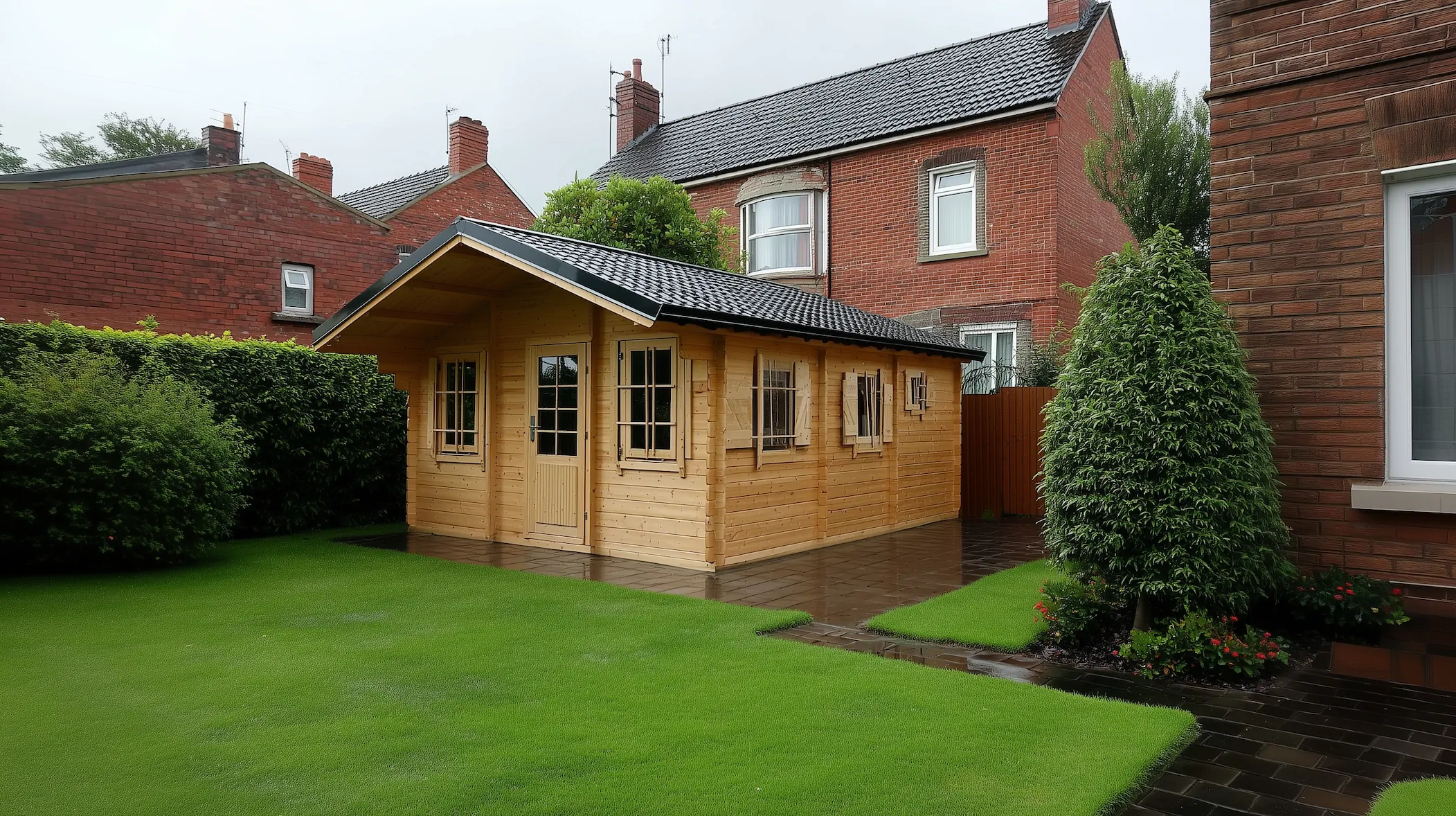
Do Garden Cabins Really Overheat?
Most of the advice you read about garden buildings is about keeping warm in winter. But anyone who has sat in a glass-fronted garden office on a hot July afternoon knows the opposite problem is real. A cabin that is too hot to work or sleep in is a cabin you stop using.
The good news is that solid timber is naturally forgiving, and most overheating can be designed out before the cabin is even delivered. Here are the factors that matter most.
Why Timber Handles Heat Better Than You Might Expect
Timber has low thermal conductivity, so it slows the passage of heat in both directions. A well-insulated timber cabin that stays comfortable in January is also doing useful work in August, because the same insulation that holds heat in keeps the midday sun's heat out. Our guide to insulated timber cabins and year-round comfort explains how wall, floor and roof insulation work together.
Cheap, thin-walled buildings are a different story. With little insulation and a poorly protected roof, they heat up quickly and cool down quickly, swinging between stuffy and cold.
Start with Position and Orientation
The cheapest way to avoid overheating is to think about where the sun goes before you decide where the cabin sits.
- Glazing direction. Large windows or glazed doors facing south or west collect the most heat in the afternoon. Facing the main glazing north or east gives pleasant light with much less heat gain.
- Natural shade. A mature tree, hedge or fence can shade the cabin at the hottest time of day. Keep a sensible distance from trunks and roots so you do not affect the base.
- Airflow. Siting the cabin where a breeze can pass along at least two sides helps it shed heat. A tight, sheltered corner can trap warm air.
If you are still choosing a spot, our planning checklist covers position alongside the other practical points, and preparing your garden for delivery helps with access and levels.
Use the Roof and Overhang to Shade Walls and Glass
The roof is where much of the summer heat arrives. A deeper roof overhang shades the walls and windows from the high summer sun, while still letting the lower winter sun in. We look at this in the benefits of a roof overhang, and it is one of the most effective passive cooling features a cabin can have.
A veranda or decking canopy on the sunny side does the same job and gives you somewhere to sit outside. A well-built roof with proper insulation and a ventilated build-up, as described in why cabin roofing matters, stops heat building up in the roof space.
Add Ventilation That You Can Actually Use
Windows that open on opposite sides allow cross-ventilation, which clears hot air far faster than one window on its own. Trickle vents, opening top-hung windows and a door you can leave ajar securely all help. Security matters here, because you will not leave a window open at night if it is easy to climb through; see how to keep a garden cabin secure for sensible options.
Good ventilation also protects the timber and the air quality inside. The same airflow that cools the room in summer helps with moisture in colder months, which we cover in how to stop condensation in a garden cabin.
Simple Fixes for Hot Days
Even a well-planned cabin has the occasional heatwave. Practical measures include:
- External shading, such as awnings, shutters or outdoor blinds, which work far better than internal curtains because they stop the sun before it reaches the glass.
- Light-coloured roofing and finishes that reflect rather than absorb heat.
- A portable fan or a small, efficient cooling unit for the hottest weeks, if you use the cabin for work or sleeping. Running costs are modest; see what it costs to run a garden office.
- Opening up in the early morning and evening, and keeping windows closed and shaded during the hottest part of the day.
Choose the Right Specification from the Start
If summer comfort matters to you, tell us before the design is fixed. As family-run timber cabin specialists since 1985, we help customers from first idea through design, delivery, installation and final use, and glazing size, overhang depth and insulation can all be tuned to how you will use the space. A garden office used all day has different needs from a guest cabin used on summer weekends.
You can browse the cabin collection to see how different layouts handle windows and shading, and request a quote if you would like us to talk through your garden and how you plan to use the cabin. If year-round use is the goal, our post on working from a garden office in winter is the other half of the picture.
The Short Version
Position the glazing sensibly, use the roof overhang and external shade, make sure the cabin has proper insulation and genuine cross-ventilation, and keep a fan for the odd heatwave. Do those things and a timber cabin stays pleasant through the summer as well as the winter.