
How Much Natural Light Does a Garden Office Need?
How Much Natural Light Does a Garden Office Need?
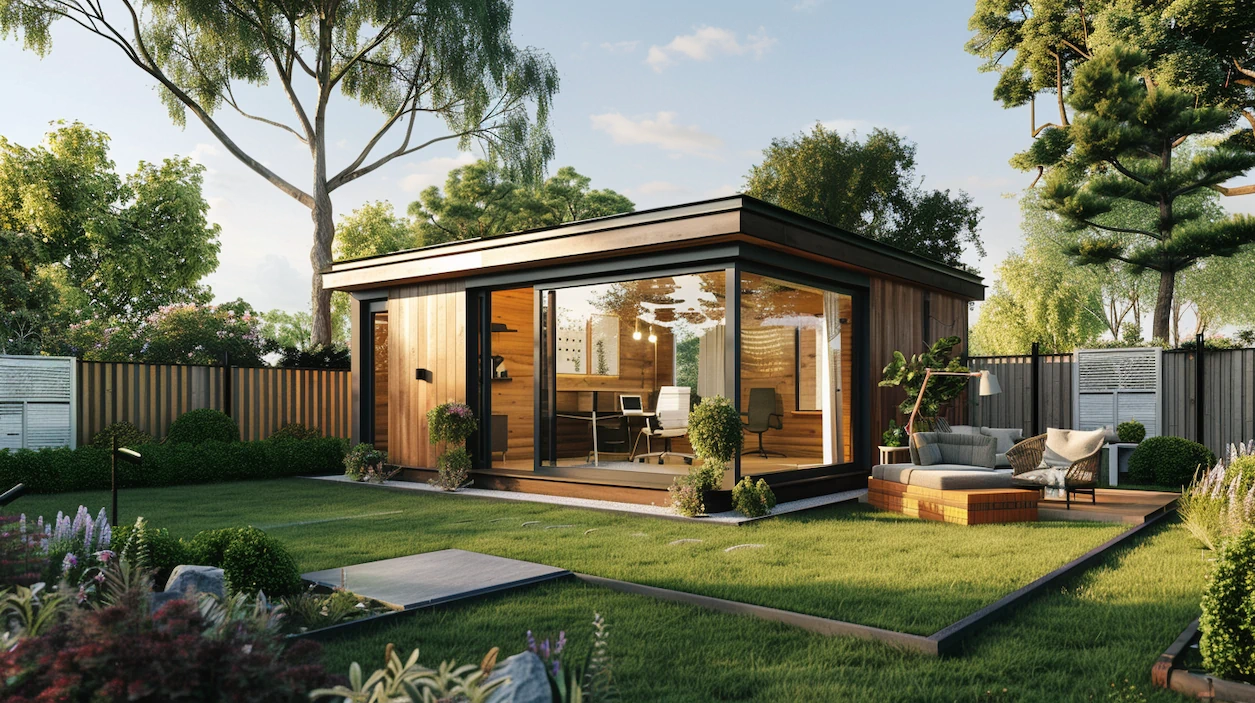
There is no single magic number, but a useful rule of thumb is that you want enough daylight to work comfortably most of the day without switching the lights on, and not so much glass that the cabin is hot in summer and chilly in winter. For most garden offices that means a generous window or glazed door on one main wall, plus a second opening to balance the light, rather than glass on every side.
This guide walks through how to think about it before you settle on a layout.
Why Daylight Matters in a Garden Office
A bright room is easier on the eyes and generally nicer to spend a working day in. Natural light also helps you keep track of the time of day, which is surprisingly useful when your commute is a twenty-step walk down the garden. In a timber cabin, the warm tone of the wood works well with daylight, so you often need less artificial lighting than you would in a plain white box.
Work Out Which Way Your Cabin Faces
Orientation shapes everything else, so look at your garden at different times of day before choosing where the glazing goes.
- South-facing glazing gives the most light and warmth, but can cause glare on screens and summer overheating.
- North-facing glazing gives soft, even light with little glare, which many people prefer for desk work, though it is cooler in winter.
- East-facing glazing brings bright morning light, pleasant for an early start.
- West-facing glazing brings low evening sun that can be hard to work against.
A common approach is to put the main glazed door or large window on the side that looks into the garden, and use smaller windows elsewhere to even out the light. If overheating is a worry, our guide on how to stop a garden cabin overheating in summer covers shading and ventilation in more detail.
Where to Put Your Desk
Place the desk where light falls across it from the side, not directly in front of or behind your screen. Sitting with a window directly behind the monitor creates reflections, while facing a bright window can cause glare and eye strain. Side light, ideally from your non-dominant side, is usually the most comfortable. A window at desk height is pleasant to look out of, but a higher, narrower window can bring in light while leaving more wall space for shelving.
Balancing Glass, Warmth and Security
More glass is not automatically better. Windows lose more heat than insulated timber walls, so large areas of glazing can make a cabin harder to keep comfortable in colder months. Double glazing is sensible for a room used all year, and it is worth reading about working from a garden office in winter before deciding how much glass you really want.
Glazing also affects security and condensation. Lockable doors and windows are a basic expectation, and our notes on keeping a garden cabin secure explain what to think about. Good ventilation matters too, so choose windows that open as well as let light in; see how to stop condensation in a garden cabin.
Think About Roof Overhangs and Shade
A deep roof overhang or small veranda can shade high summer sun while still letting lower winter light into the room. It also keeps rain off the glazing and the wall below it. Blinds or external shutters are a flexible alternative if you want to adjust the light through the day.
Don't Forget Artificial Lighting
Even a bright cabin needs good lighting for dark winter afternoons. Plan sockets and lighting circuits at the same time as the layout, ideally with a mix of ceiling lights and a desk lamp so you are not relying on a single harsh source. If you are planning power at the same time, see how to get electricity to a garden cabin.
Planning Considerations
Window and door positions can also relate to privacy and to how close the cabin sits to boundaries. Many garden cabins can fall under permitted development, depending on size, height, position and intended use, but individual circumstances differ, so it is sensible to check before you finalise the layout. Our planning checklist is a good place to start.
A Practical Starting Point
If you are unsure, a sensible layout for a small garden office is often one large glazed door or window facing the garden, one or two smaller opening windows on an adjoining wall, and the desk positioned with light coming from the side. From there you can adjust for your own garden, budget and working habits.
Best Timber Cabins are family-run timber cabin specialists helping customers from first idea through design, delivery, installation and final use, and we have been doing it since 1985. You can browse our full range of timber cabins to see how different glazing layouts look, or see more ideas in our guide to timber cabins for home offices. When you are ready to talk through your own plans, request a quote and we will help you settle on a layout that suits your garden.